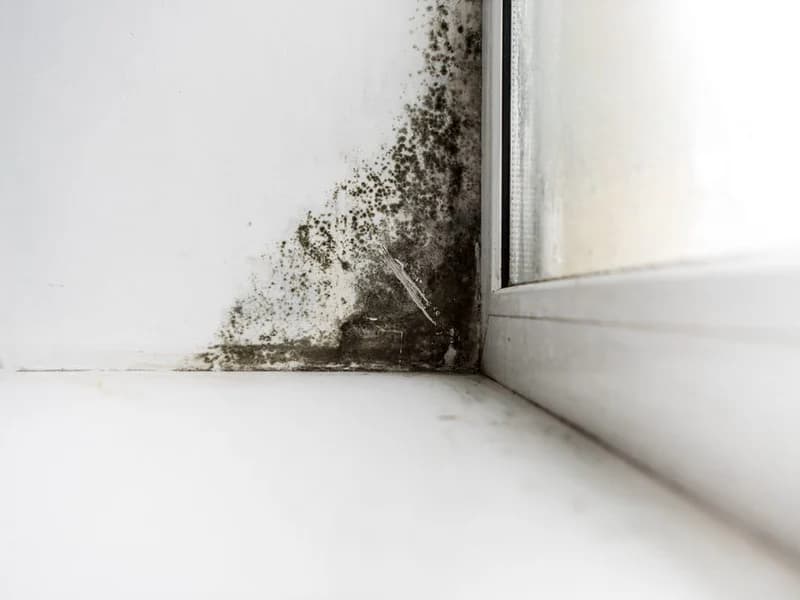
Quick Answer: Mold grows wherever moisture, organic material and time come together. In Chicagoland, where basements stay damp and summers run humid, signs of mold and moisture are among the most common things we flag during home inspections. A home inspection tells you where the moisture problems are. If you need to know what's growing and how much, a licensed mold specialist handles the testing.
If you're buying a home in Illinois or Indiana, especially one with a basement, mold is worth taking seriously. It's not always the dramatic black patches you see in scary listings. Most of it is quieter, hidden behind drywall, under carpet, or on the back of a vanity nobody's pulled out in twenty years.
Why Mold Loves Chicagoland Homes
Three things drive mold growth: moisture, organic material, and time. Our region delivers all three.
Wet basements. Chicago's clay soil holds water. Spring snowmelt and summer thunderstorms push groundwater against foundations that were poured before modern waterproofing. A basement doesn't need to flood for mold to take hold. Consistent dampness is enough.
Humid summers. Chicagoland summers are sticky. If your AC isn't sized right or your basement doesn't have a dehumidifier, damp air settles into the coolest, least ventilated parts of the house, and that's where mold gets started.
Older housing stock. Many homes in Logan Square, Hyde Park, Oak Park, and Hammond are decades old. Their original materials weren't designed for tight, modern building envelopes. When owners add insulation without addressing ventilation, moisture gets trapped.
Where Mold Hides
Mold shows up where water has been, not always where you'd look first:
- Basement perimeter walls and the bottom edge of finished basement drywall
- Behind washing machines and under kitchen and bathroom sinks
- Around bathtub and shower surrounds
- Attic sheathing, especially where bathroom fans vent into the attic instead of outside
- Crawl spaces with poor ventilation or exposed soil
- Inside HVAC returns and around ductwork that sweats in summer
Warning Signs to Watch For
You don't need lab work to know something deserves a closer look:
- A musty, earthy smell that hits you as soon as you open the basement door
- Discoloration spreading along the bottom edge of drywall
- Warped baseboards or peeling paint near floor level
- Black or green spots on caulk lines in showers
- Water staining on basement walls, floors or ceilings
- A history of flooding, sump pump failure or a home that sat closed up and vacant
Any of those, plus a humid basement, means moisture is getting in somewhere, and moisture is what mold needs.
What a Home Inspection Covers
Every Gold Coast home inspection looks for the conditions that lead to mold. We check doors, windows and interior spaces for signs of mold or water damage. We examine the attic for ventilation, mold and moisture. We look at the foundation, basement and crawl spaces for signs of past water damage, and we check plumbing fixtures and shut-off valves for leaks. Anything we find goes into your report with photos and a clear note on what it means.
For moisture you can't see, our thermal camera inspection uses infrared imaging to find hidden moisture and leaks behind walls and ceilings, without opening anything up.
What a home inspection does not do is identify the species of mold or measure spore levels in the air. That takes sampling and lab analysis.
When to Hire a Licensed Mold Specialist
Bring in a licensed mold assessor or remediation contractor when:
- Your inspection report flags suspected mold growth or active moisture
- Someone in the home has allergy or asthma symptoms that get worse indoors
- The home has a finished basement that smells musty
- You're buying a bank-owned or vacant property that has been closed up
- You can see staining but don't know whether the source is still active
A mold specialist can take air and surface samples, send them to a lab, and tell you what's growing and how far it has spread. If removal is needed, fix the moisture source first. Mold that's cleaned up without fixing the leak or the humidity comes back.
Insurance rarely covers mold unless it's tied to a sudden, covered event like a burst pipe. Long-term moisture problems are usually out of pocket, which is why finding them before you buy matters.
FAQ
Will a regular home inspection catch mold? A home inspection looks for visible signs of mold and the moisture problems that cause it, from the attic down to the basement. It won't identify the type of mold or measure spores in the air. If the report flags suspected growth, a mold specialist can test to confirm.
Is a musty smell always mold? Not always, but it's always a sign of moisture. Find the source of the dampness first. That's what decides whether mold is likely and what needs fixing.
Should I test if I don't see any mold? If there's no smell, no staining, no symptoms and no moisture history, testing usually isn't necessary. If you're buying an older home with a basement and don't know its history, start with a thorough home inspection and decide from there.
Related Reading
- Sewer Camera Inspections in Chicago
- Radon Testing in Illinois and Indiana
- Your First Home Inspection
Schedule a Home Inspection
Gold Coast Home Services checks for signs of mold and moisture, from the attic to the basement, during every home inspection across Chicagoland, Illinois and Indiana. Add a thermal camera inspection to find hidden moisture behind walls and ceilings. See what your inspection covers or contact us to book.
Reach out at (312) 358-1200 or tonyldiggs@gmail.com to schedule your home inspection.