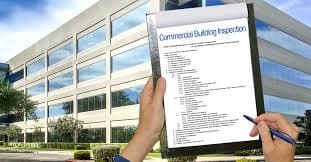
Quick Answer: A commercial property inspection evaluates the major systems and structural components of a commercial building before purchase or financing. Unlike a residential inspection, the scope is custom to the property type, lender requirements, and intended use. For most Chicagoland buyers, plan on a Property Condition Assessment (PCA), with cost depending on building size and complexity.
Commercial real estate is a different animal from residential. The systems are bigger, the maintenance histories are deeper, and the dollars at risk per finding are much higher. A missed boiler issue on a 40-unit apartment building is a six-figure problem. A missed roof issue on a strip mall is the same.
This guide walks through what a commercial property inspection actually covers, what's different from residential, and what to expect when you commission one in Illinois or Indiana.
What a Commercial Inspection Covers
The standard framework for commercial inspections is the ASTM E2018 Property Condition Assessment standard. Most lenders and serious buyers ask for an inspection aligned with E2018, which gives you a Property Condition Report (PCR).
A PCR typically includes:
Site components
- Topography and drainage
- Paving, curbs, sidewalks
- Parking lot condition and capacity
- Site lighting
- Landscaping and irrigation
- Fencing and signage
Building envelope
- Foundation and structural framing
- Exterior walls and cladding
- Roof system, including drains and parapets
- Windows and doors
- Loading docks, ramps, exterior stairs
Mechanical, electrical, plumbing (MEP)
- HVAC equipment (rooftop units, boilers, chillers, cooling towers)
- Domestic water and sanitary plumbing
- Fire protection systems (sprinkler, standpipe, fire pump)
- Electrical service, distribution, panels
- Emergency power and backup systems
Vertical transportation
- Elevators, escalators, lifts (where present)
- Service contracts and inspection records
Life safety
- Fire alarm panel and devices
- Exit lighting and egress paths
- ADA accessibility (general observations, not a full audit)
Interior systems
- Common-area finishes
- Restrooms
- Tenant spaces (sample inspection)
- HVAC distribution and zoning
How Commercial Inspections Differ from Residential
A few important differences worth understanding upfront:
Scope is negotiated. Residential inspections follow a fixed standard. Commercial scopes are tailored to property type and buyer needs. A 12-unit walk-up needs different attention than a single-tenant industrial building.
Sampling is the norm. On a large multi-family or commercial building, we don't inspect every unit or every room. We sample. The PCR notes what percentage of units were inspected and how they were selected.
Capital reserve forecasting. A commercial PCR usually includes a capital expenditure forecast over 5, 10, or 12 years. This estimates when major systems will need replacement and what they'll cost. Lenders and investors use this for underwriting.
Multiple specialists. Larger buildings may need additional specialty reports: structural engineering, environmental Phase I, MEP engineering, ADA compliance audit, ALTA survey. A good inspector tells you when you need these.
Local Considerations in Chicagoland and Northwest Indiana
A few things show up often in our market:
Aging masonry parapets. Many South Side and West Side commercial buildings have brick parapets that haven't been tuckpointed in decades. Falling masonry is a real liability.
Flat roof systems. Modified bitumen, EPDM, and TPO roofs are common. Each has a typical 15 to 25 year life. We pay close attention to flashing, drains, and any ponding.
Old boilers. Steam and hot water boilers from the 1960s and 70s are still in service in plenty of buildings. They run, but parts are getting harder to source.
Knob-and-tube and ungrounded wiring. Even in commercial space, older buildings have legacy electrical that limits modern tenant fitouts.
Underground storage tanks. Older industrial properties may have abandoned USTs. A Phase I environmental site assessment flags these and recommends Phase II testing when needed.
Timeline and Cost
Plan for the following:
- Walkthrough and field work: 4 to 12 hours on site, depending on size
- Report turnaround: 5 to 10 business days
- Cost: depends on the building's size, age, complexity, and the scope your lender requires. Contact Gold Coast Home Services for a quote on your property.
These estimates are for E2018-aligned PCR work. Limited-scope inspections (single-system, lender's walk, due diligence quick look) cost less.
What to Ask Before You Hire
Before you commission a commercial inspection:
- What's the inspector's commercial experience? Residential certifications are different from commercial. Ask for examples of recent commercial reports.
- Will the report meet ASTM E2018 standards? If your lender requires it, this matters.
- What's the capital reserve methodology? Some firms use industry benchmarks; others use proprietary databases.
- Are subconsultants included? Roof, structural, environmental, vertical transportation specialists are sometimes needed.
- What's the deliverable format? Lender packets often require specific formatting.
FAQ
Do I need a commercial inspection for a small mixed-use building? Often yes, especially for the commercial portion. Many small mixed-use buildings (storefront + apartments) get a hybrid inspection covering both.
Will my lender require this? Most commercial lenders require some form of property condition report. CMBS and life company loans typically require full ASTM E2018 PCR. Local bank loans may accept a more limited scope.
Can a residential inspector do commercial work? Some can, some can't. The right answer depends on the building type and the inspector's actual experience. Don't assume.
How does this fit with environmental Phase I? PCR and Phase I are separate reports. Most due diligence packages include both. PCR covers building condition; Phase I covers environmental risk (contamination, historical land use, etc.).
Related Reading
- Sewer Camera Inspections in Chicago
- Radon Testing in Illinois and Indiana
- Mold Inspection in Chicago Homes
- Your First Home Inspection
Schedule a Commercial Inspection
Gold Coast Home Services performs commercial property inspections across Chicagoland, Illinois and Indiana. We work with buyers, investors, lenders, and property managers on retail, office, light industrial, and multi-family properties.
Reach out at (312) 358-1200 or tonyldiggs@gmail.com to discuss your project.